



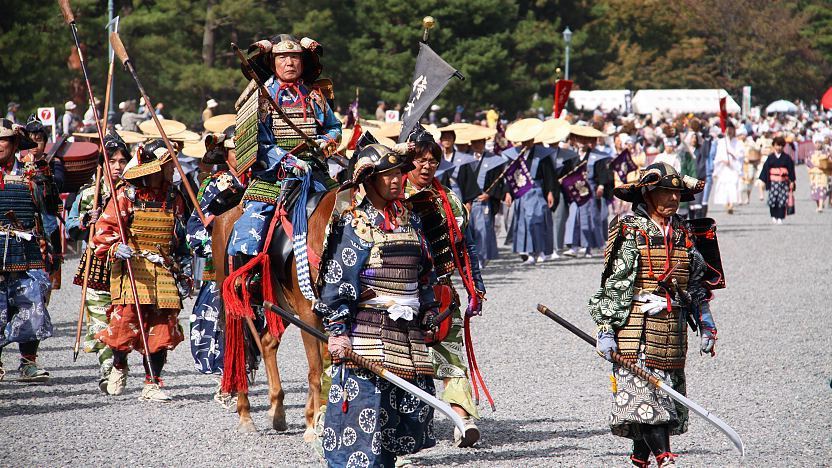
The samurai world presents a combination of discipline, honor, and wisdom that resonates with people to this day. Based on the feudal society in Japan, the samurai culture has cut across the ages, impacting contemporary leadership, morals, and personal development. The teachings bequeathed by these warriors are not just battle stories but directions on how to lead a disciplined life of purpose, courage, and respect. In this post, we will discuss ten lessons of ancient samurai traditions that can be used to build a more robust and balanced life today.
- Above All, Honor
The foundation of samurai society was Bushido, or the Way of the Warrior. The virtue of honor was not a mere life but a way of life. The integrity of a samurai was paramount, and disgrace outweighed death. It is a classic lesson that we can only be as successful as we live right and do things in the way that they should be; nothing more. Personal greatness in the contemporary world is doing the right things when nobody is present to notice.
- Punishment Makes Men Fine
The samurai way was discipline. In swordsmanship, as in everyday life, all was control and concentration. They practiced and practiced, and their bodies and minds were perfected. This obsession with discipline helps us to remember that we have to work hard in the field we are learning. It is in sports, studies, or career development; an excellent discipline results in excellence over time.
- Faced with fear, courage
The samurai boldly faced their concerns, but they were not fearless. They knew that fear was normal but not a hindrance, both of which were true in battle and in personal life. This is a lesson to take on challenges instead of dodging them. Bravery does not constitute fearlessness; it is acting in the face of it. Such an attitude gives people the strength to pick themselves up and be stronger because of a failure.
- Loyalty Strengthens Bonds
The samurai society was bound by the sense of loyalty. Each warrior was committed to his master, comrades, and family. This feeling of obligation generated trust and oneness among them. Loyalty is important in our world of go-go, and it can be loyalty to friends, family, or a common cause. Keeping promises is what forges long-lasting relationships that can withstand time.
- Respect for All Beings
Respect as a virtue was a key element in the samurai culture. They respected their opponents, teachers, and even nature. Such a mindset encouraged modesty and equilibrium. Respecting others and ourselves today can change working environments, friendships, and neighborhoods. It reminds us that without respect, there is no meaning in power.
- Lifelong Learning and Self-Development
Samurai were long time learners. In addition to martial arts, they also learned calligraphy, poetry, and philosophy to develop a well-rounded person. Their methodology demonstrates that knowledge and wisdom are infinite in their pursuit. Embracing a similar mentality now will make us flexible and innovative in a fast-paced world. Constant education keeps our spirit alive and our aspirations alive as well.
- Simplemindedness as an Essence toward Clarity
Even as skilled and high-ranking, samurai appreciated simplicity in their lives. Their austerity enabled them to attain what truly counted the duty, honor, and self-discipline. The concept teaches us to get our minds and environments untangled. Being straightforward enables us to make thoughtful judgments and live a more tranquil existence.
- Presence and Mindfulness
Samurai meditated on Zen before going to war to remain calm and focused. The level of mindfulness allowed them to make clear decisions under pressure. The moral of the story is strong- full presence increases awareness, emotional self-control, and decision-making. Through mindfulness, we find ourselves returning to our focus and calmness in a digital world.
- The Art of Balance
A genuine samurai was a man of power and kindness. They knew that the sword and the spirit were essential to harmony. This balance of force and sympathy is critical to leadership and life. As we strive to become ambitious, we can do it with a balance between being ambitious and humane. As the samurai preached, balance is the cornerstone of a satisfied existence.
- The Legacy of Purpose
All the samurai had a mission beyond themselves. They could devote themselves either to a lord or to peacekeeping. This last lesson teaches us to clarify our intention and go after it with a burning passion. Having a meaningful life brings fulfillment, direction, and inner peace to live by a legacy to leave.
FAQs
Q1. What is Samurai culture?
The term samurai culture describes the culture, values, and practices of the ancient warriors of Japan. It focuses on respect, honor, discipline, and loyalty.
Q2. What is actually Bushido?
The Way of the Warrior, the codex of Samurai during feudal Japan, which promoted the importance of loyalty, honor, and martial arts.
Q3. So,o how do we receive samurai lessons in the present day?
These lessons can be utilized by modern people through self-discipline, respecting others, balance, and lifelong learning to become successful.
Q4. Did samurai only focus on war?
No. Samurai studied arts, philosophy, and literature as well. They held that the ultimate strength lay in physical ability as well as mental knowledge.
Q5. What is the significance of the samurai culture?
Its principles: honor, mindfulness, and purpose—provide eternal guidance on personal development, leadership, and morality in the high-speed society.
Conclusion
The samurai culture still teaches us to follow the modern way of excellence, integrity, and balance. The ten motivating teachings—honor, discipline, courage, loyalty, respect, learning, simplicity, mindfulness, balance, and purpose, remind us that being great is not about winning but about being able to control the self. Through these old values, one can develop power, stamina, and balance in life. The samurai might be a thing of the past, but their essence still fills the world in need of wisdom, courage, and peace.