



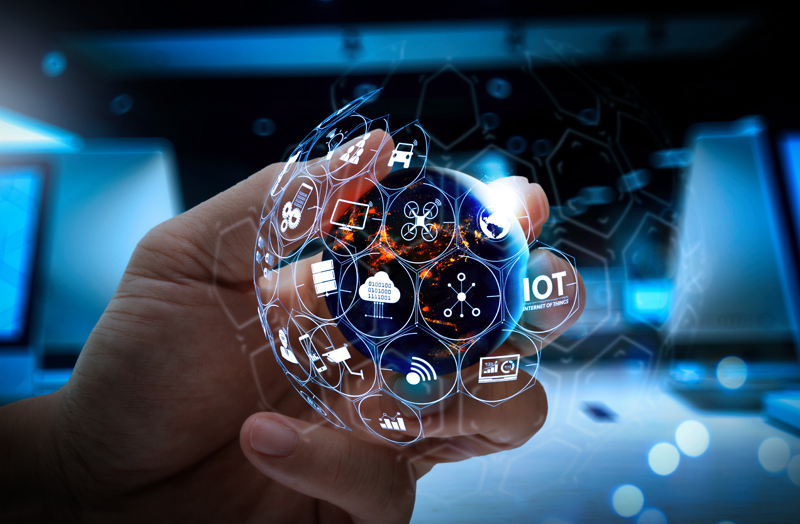
With the wave of digital transformation, organisations have never dealt with more data than they do now. Older types of cloud systems, although effective, tend to experience issues with speed, security, and reliability. To solve these problems, edge computing has become a pioneering technology that computes data at a smaller distance to the point of creation. The strategy helps to minimise time spent and reduce risk, and enhance efficiency within healthcare and smart cities, among other industries. Through investigating the powerful benefits of edge computing, companies will have a greater comprehension of how edge computing is transforming future operations and innovations.
- Faster Data Processing
Speed is the most obvious edge computing strength. Conventional cloud-based systems normally post information to remote servers to be analysed, which is slow. In time-critical applications such as autonomous vehicle operation, automation of factories, or medical devices, such delays may be very expensive. The answer to this is provided by edge computing, where the information is processed at the source. This minimises the latency and offers near real-time results. More rapid data processing will result in smarter and quicker decisions and will provide a substantial competitive advantage to businesses.
- Improved Reliability
Reliability is another very powerful high. Systems with high reliance on centralised cloud servers can go down in case of poor or no internet connectivityEdgege computing minimises this risk as it stores important data processing locally. Even if the cloud connection is lost, the system will still function. In sectors like health, logistics, energy, etc., where its absence could lead to serious problems, this trust element is essential.
- Enhanced Security
The issue of data security is on the increase in the digital era. Edge computing simplifies the protection of sensitive data by reducing the amount of data that is sent out on networks. Information is processed at the edge instead of transferring huge volumes of raw data to centralised servers, and the sharing of important results only. This minimises the options of interception and cyberattacks. Moreover, multiple edge nodes enable the protection of the security of other nodes at multiple levels, which enhances protection.
- Reduced Bandwidth Usage
Most businesses are short of bandwidth, which is a very expensive resource. Transmission of huge volumes of data through networks can slow down networks and increase costs. Under edge computing, processed or filtered information is only sent to the cloud, which reduces the bandwidth usage by a significant margin. This saves money as well as overcrowding in crowded networks. In the case of organisations with many IoT devices managed, bandwidth demands are reduced, and operations become more stable and maintainable.
- Growing Business Scalability.
The increase in the size of businesses increases their necessity to process data. The process of scaling centralised infrastructure can be costly and complex. Edge computing is also scalable, where the ability to add new nodes is easy and does not overload the whole system. Local processing is able to be done in every node, and thus it is easier to permit growth. Companies enjoy the flexibility and save costs, and still serve more customers in a better way.
- Increased Operating Flexibility.
Another key benefit is flexibility. Various industries require different things, and edge computing can fit well into the requirements. In-store customer behavior can be analysed, equipment predictively maintained, and patients tracked in real-time by retailers, factories, and healthcare providers, respectively. By solving the use cases, businesses will not have to spend extra money on things they do not need and can get better outcomes. This flexibility renders the technology useful in various industries.
- Real-Time Analytics
Real-time analytics is facilitated by edge computing, and this changes the nature of organizational responsiveness to situations. Rather than having data sent to cloud servers to process an insight, data is processed at the edge immediately. To improve traffic flow and reduce crashes, smart city traffic lights, for instance, can be changed on demand based on current conditions. Taking immediate action on insights fosters creativity and safety in addition to increasing efficiency.
- Cost Efficiency
Companies are always trying to find methods of reducing the cost whilst enhancing performance. Edge computing is cost-effective, as it does not require a central server and costly infrastructure. Local processing will reduce bandwidth costs and cloud storage charges. This will eventually lead to increased returns on investment. This is particularly effective for smaller businesses since they can use advanced technology without committing huge amounts of money.
- Better Customer Experience
A key element in the business’s success is the consumers’ experience. People desire services that are reliable, efficient, and fast. Edge systems enhance performance because they ensure that apps and services are responsive. Edge computing improves the user experience through speedy retail checkout to online transactions. This is enhanced customer satisfaction, customer loyalty, and repeat business. When operating in a competitive market, an excellent customer experience may be a point of difference.
- Future-Ready Technology
The last benefit is that of future preparedness. Edge computing perfectly complements the new generation technologies of 5G, artificial intelligence, and the Internet of Things. These innovations demand processing, which is decentralised and usually fast, something which traditional cloud systems cannot always offer. By investing in edge technology today, business organizations are getting ready to meet the needs of tomorrow. This keeps them in competition as the technology keeps changing.
(FAQs)
Q1: What is edge computing?
It is a data processing approach that is closer to the source of the data instead of depending on remote servers.
Q2: Why is it considered faster?
It minimises latency through local analysis and responding without transmission of all data to the cloud.
Question 3: What is its contribution to security?
Through the restriction of data transfers and the implementation of protection at various points of processing.
Q4: Does it lower the costs of business?
Yes, it will reduce bandwidth costs and decrease dependency on centralized infrastructure.
Q5: Which sectors benefit most?
Healthcare, manufacturing, retail, energy, and smart cities benefit immensely.
Conclusion
The technology of edge computing is altering the information management and processing of businesses. Its great benefits, such as faster processing and real-time analytics, as well as improved security and lower costs, make it a potent solution to the requirements of the current challenges. It allows organizations to be ready to expand and adapt to changed technology through its ability to help them scale, be flexible, and be future-ready. Firms that are adopting edge computing now will be in a better position to succeed in the digital economy of the future.