



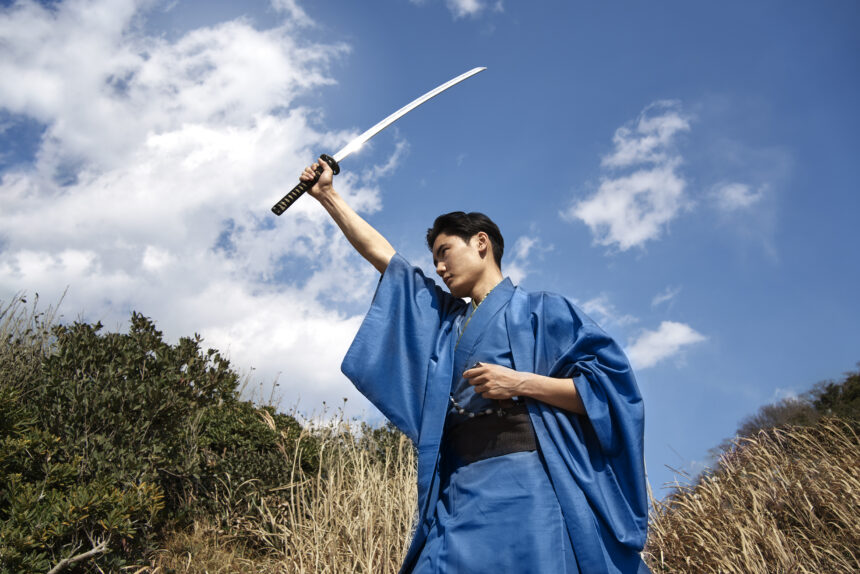
The samurai sword is a weapon that has been worshipped over the years because of its construction and the symbolism it represents. It was the home of samurai in Japan, a sign of honor, loyalty, and the unconquerable spirit of the warrior. So many legends have been created about these blades over the centuries, therefore, becoming more than just a weapon of war. They became cultural heroes with a voice in power and responsible morality. The following five legends illustrate the effect on traditions and the inspiring influence of the sword on traditional tales of bravery.
1. The Curse of Muramasa
The most frightening tale is about Muramasa, a swordmaker of unusual prowess. His blades were also believed to be bloodthirsty, the cause of violent action in their owners. Many warriors who possessed a Muramasa sword were killed in tragic accidents; this is why it was assumed that the swords were a sort of dark curse.
2. Masamune and the Blade of Peace.
On the other hand, there is a legend of the swordsmith, Masamune, who made swords that have been associated with innocence and enlightenment. And his most well-known samurai sword was said to be anti-evil in that it was not willing to kill innocent people. According to one myth, when taken to the test at a river, the sword of Masamune allowed the leaves to pass through without cutting, but the sword of Muramasa cut through everything. This comparison implied kindness as an alternative to brutality. In The Tale of Masamune, it is stressed that the true power is not to struggle in the battle but to choose not to fight and to make the right choice.
- The Loyal Retainer’s Vow
One more tale of a loyal retainer who set out on some vengeful mission with the sword of his lord. He swore that he would not unsheathe the sword till the honor of his master was recovered. Duty and loyalty allowed him to fulfill his promise with years of suffering, ambushes, and betrayals. His samurai sword was not a simple piece of steel but a signifier of the association between a warrior and his master. It was a timeless lesson about faithfulness and sacrifice because his faith was indivisible.
- The Sword that parted the River
Legends exist of a warrior who cut with a blade so sharp, it cut into an on-flowing river. It was this impossible task that was a reference to the near-supernatural ability of Japanese swordsmiths. Though likely a big exaggeration, the tale demonstrates the respect and honor given to the samurai sword. It was widely believed that there was more than mere physical power in these weapons; there was the power of the spirit. The myth is a lesson that narratives can make a mountain out of a molehill due to the super-powerful talent casting a shadow.
- The Spirit of Justice and the 47 Ronin.
47 Ronin is a famous story about the samurai. These men had resolved in secret to revive the honor of their master, who, when he had been fooled and made to die, had fallen into their hands. And now they were longing to attack and were preparing to do so. They made an obedience and revenge strike with their swords, and they were fully aware they would die in the process. They lost their life in the process of making a cultural treasure and served as role models of how the samurai sword was a symbol of responsibility, courage, and the bushido code.
6. The Legends have cultural significance.
These are not ordinary amusements. They mirror the way in which the samurai sword went on to become the core and essence of the warrior society of Japan. Both are very strong, loyal, and honest, and they make people remember the samurai life. The myths are part of the Japanese culture, existing in the form of strings across centuries in the village and passed down through generations. They tell us to this day that without honor, it is useless to fight in the streets.
7. Arts and Storytelling.
Art, drama, and film also help to perpetuate the samurai sword. The formulation of these legends has been translated into creative work that reflects the problems of sacrifice, fidelity, and justice in kabuki drama and contemporary cinema. The sword has been a weapon of moviemakers and writers as well as a persona grata in its own history, with stories in the blade. The sword has maintained its status as a classical image not only in Japan but also in other countries of the world in both art and mythology.
8. Lessons from the Legends
Most of these stories are hyperbolic in the way they portray supernatural powers, but, in reality, they are meant to educate the reader/viewer. A Muramasa sword is a sword of aggression that lacks wisdom, whereas a Masamune sword is a sword of nonviolence and compassion. The retainer promise reminds us of loyalty, and the 47 Ronin exemplify disinterested justice. The lesson of human values is contained in any samurai sword myth, since here, power is gained when the relationship between might and honor is proportional.
FAQs
Question 1: What is the holiness of a samurai sword?
It was not merely a weapon but the spirit and honor of the samurai. Losing it meant disgrace.
Q2: Are the supernatural forces in the stories real?
No, the stories are symbolic. They stress the craft of the swordsmen and the values of the way of a samurai.
Q3: What is so much remembered of Masamune?
His swords were acclaimed to be in balance, crafty, and founded on a legend that they never cut the innocent.
Q4: Do we have any samurai sword legend that has an impact on modern Japanese?
They remain, yes, important to literature, theater, and film; they carry the bushido spirit to the present day.
Conclusion
A samurai sword is not only a historical relic but also a traditional symbol of courage, faith, and glory. It could be the vow of loyalty, the non-violent weapons of Masamune, the cursed swords of Muramasa, or the sacrifice of the 47 Ronin; these tales still resonate with people today. They act as a reminder of the essentiality of strength, one that is always founded on justice and morality. The reason the samurai sword tales live is due to the lessons they can teach, which extend far beyond the battlefield and into how important honor and strength can be to people.